
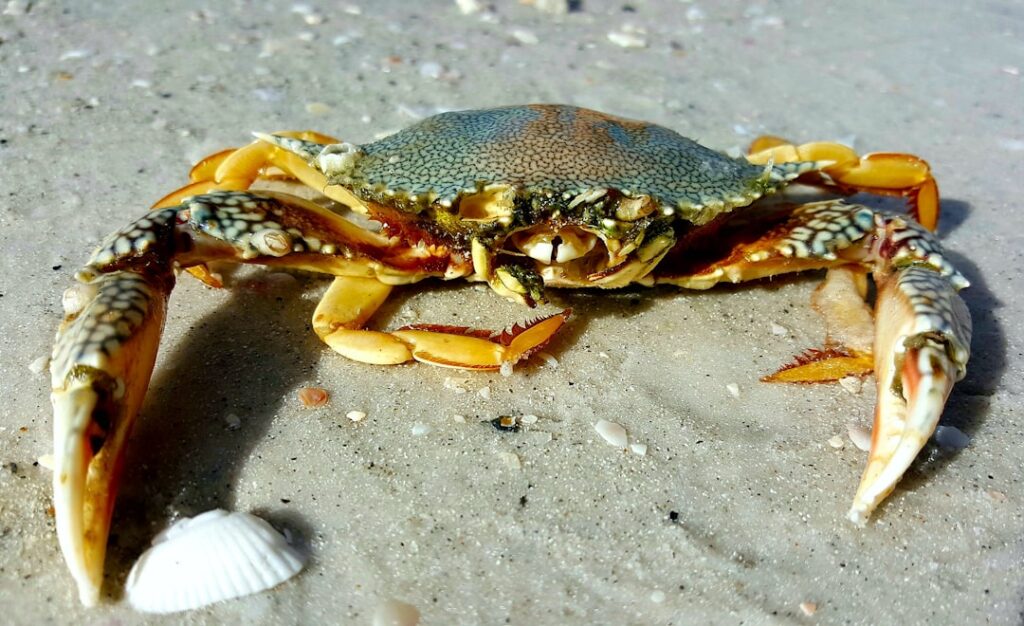
Every October, when the first stone crab claws arrive at seafood houses from the Keys to Naples, Florida diners know something special has returned. These meaty, sweet claws—served chilled with mustard sauce—represent one of the state’s most distinctive culinary traditions, and the five-month season that runs through mid-May is reason enough to plan a winter visit.
Stone crabs aren’t your typical seafood. The fishery operates on a catch-and-release model: fishermen harvest only the claws (one or both, depending on size) and return the crab to the water, where it regenerates new ones. It’s sustainable, it’s been regulated since the 1940s, and it produces some of the finest eating you’ll find anywhere along Florida’s coastline.
Where Stone Crabs Come From
The heart of Florida’s stone crab industry lies in the waters off the Gulf Coast, particularly around the Ten Thousand Islands near Everglades City, the Keys, and the waters surrounding Naples and Marco Island. Commercial trappers place baited traps in shallow waters, checking them daily during the season.
Everglades City has earned the nickname “Stone Crab Capital of the World,” and for good reason. The small fishing village on Florida’s southwest coast processes millions of pounds of claws each season. During peak months from November through March, you can watch the day’s catch being unloaded at City Seafood or Triad Seafood, both working fishhouses where locals and visitors come to buy claws by the pound.
In the Keys, trappers work the flats from Key Largo to Key West, and many of the claws you’ll eat at Islamorada or Marathon restaurants were pulled from traps that same morning. The stone crab harvest represents one of the last truly seasonal foods in American dining—you simply cannot get fresh Florida stone crab claws in July.
The Best Places to Eat Stone Crab
Joe’s Stone Crab in Miami Beach remains the most famous stone crab destination in Florida, and possibly the country. Open since 1913, Joe’s serves thousands of pounds of claws daily during season, and the wait for a table can stretch past two hours on weekends. No reservations, cash only for the meal (cards accepted for drinks), and absolutely worth it. The mustard sauce recipe is a guarded secret, but the simple preparation—cracked, chilled, and served with drawn butter and that tangy sauce—hasn’t changed in generations.
In Naples, Truluck’s Ocean’s Finest Seafood and Crab sources directly from local trappers and flies in additional claws from the Keys when demand spikes. The restaurant offers both jumbo and colossal sizes, terms that refer to claw diameter and signal how much sweet meat you’ll extract from each shell.
For a more down-home experience, head to Everglades City’s Camellia Street Grill or City Seafood Market, where you can buy claws to crack yourself at picnic tables overlooking the water. A pound of large claws runs about $35 to $50 depending on the week’s catch—prices fluctuate with supply, and early season claws command premium prices.
In Key West, Half Shell Raw Bar on the harbor serves stone crab with cold beer and zero pretense, while Islamorada’s Lorelei Restaurant & Cabana Bar offers sunset views alongside perfectly chilled claws.
How to Crack and Eat Stone Crab
Stone crab claws arrive at your table already cooked (they’re boiled immediately after harvest to preserve the meat), cracked, and chilled. A wooden mallet helps finish the job—one good crack on the shell’s flat side, and the meat slides out in one piece if you’re lucky.
The black-tipped claws contain meat that’s firmer and sweeter than most crab varieties. Dip in mustard sauce or drawn butter (or alternate between both), and understand why Floridians mark their calendars for October 15 each year.
Most restaurants price stone crab by market rate and size. Medium, large, and jumbo claws increase in price as they increase in diameter. A dinner order typically includes four to six claws, sides of coleslaw and hash browns (at traditional spots), and plenty of napkins.
Visiting During Stone Crab Season
The October 15 through May 15 season coincides with Florida’s best weather, making it an ideal time to combine beach visits, wildlife watching in the Everglades, and stone crab dinners. November through March offers the most consistent supply and the coolest temperatures for outdoor dining.
If you’re planning a trip specifically for stone crab, aim for December through February when catches peak and crowds thin slightly after the holiday rush. Make reservations where accepted, arrive early at walk-in-only spots like Joe’s, and consider buying claws to-go from fishhouses if you’re staying in a rental with a kitchen.
The season closure from mid-May through mid-October allows crabs to molt and regenerate claws, ensuring the fishery’s sustainability for future generations. It’s a conservation success story that also happens to taste incredible.
Want more Florida food traditions, seasonal guides, and insider tips delivered to your inbox? Subscribe to the Love Florida newsletter and get one short story a day about the real Florida beyond the brochures.
Tours & experiences in Florida


Powered by Viator. Some links are affiliate links — we may earn a small commission at no extra cost to you.