
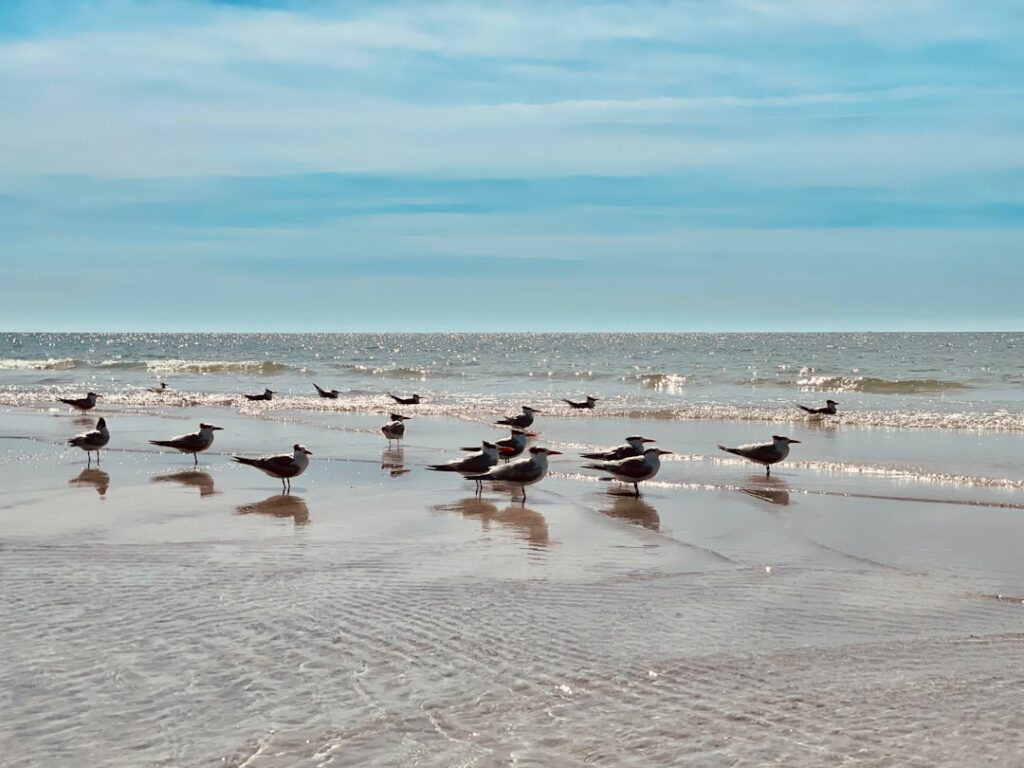
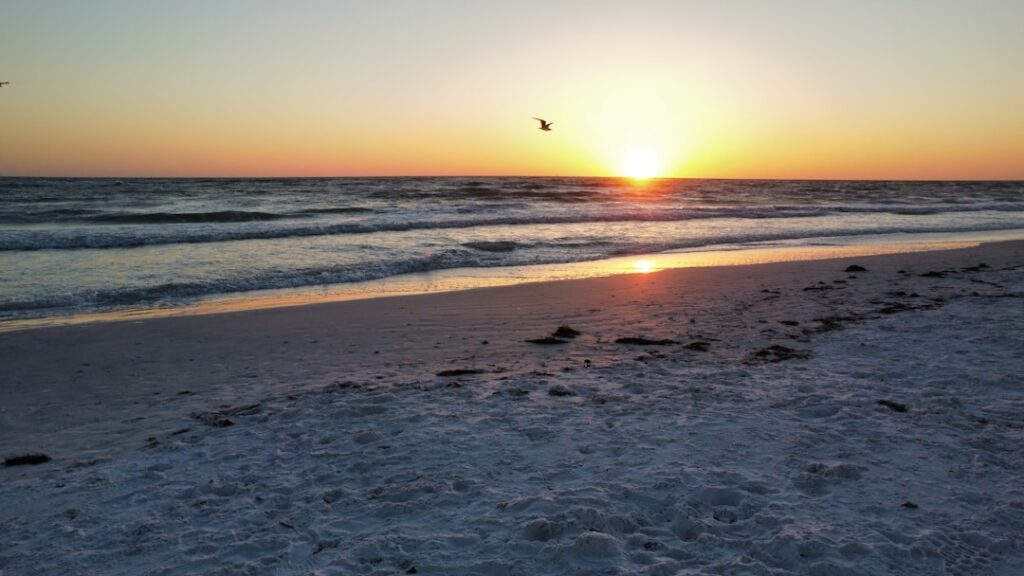
Sarasota sits on Florida’s southwest Gulf Coast, where powdery white beaches meet one of the state’s most sophisticated cultural scenes. This city of about 55,000 punches well above its weight in arts institutions, culinary talent, and natural beauty. Unlike some Florida beach towns that lean heavily on one attraction, Sarasota offers a rare balance: world-class museums, barrier island beaches, downtown walkability, and a thriving performing arts calendar.
Whether you’re drawn by the promise of Siesta Key’s famous sand, the legacy of circus magnate John Ringling, or the chance to kayak through mangrove tunnels, Sarasota rewards visitors who take time to explore beyond the postcard views.
The Barrier Islands: Siesta Key, Lido Key, and Longboat Key
Sarasota’s barrier islands stretch along the Gulf of Mexico, each with its own character. Siesta Key draws the biggest crowds, and for good reason: Siesta Beach consistently ranks among America’s best beaches thanks to its 99% pure quartz sand that stays cool underfoot even in summer. The sand is so fine it squeaks when you walk on it. Arrive early on weekends—the free parking lot fills by mid-morning. For a quieter scene, head north to Crescent Beach, where locals gather and the vibe mellows considerably.
Lido Key offers a more compact beach experience. Lido Beach, just west of St. Armands Circle, has calm waters ideal for families and easy access to shops and restaurants. South Lido Park, at the island’s southern tip, combines a wide beach with nature trails through coastal hammocks and mangroves—one of the few spots where you can beachcomb in the morning and kayak through mangrove tunnels in the afternoon.
Longboat Key stretches north toward Bradenton, with a quieter, more residential feel. The beaches here are narrower but less crowded, with several public access points scattered along Gulf of Mexico Drive. It’s a favorite for shelling and long, uninterrupted walks at sunrise.
Downtown Sarasota and the Arts District
Downtown Sarasota centers on Main Street and Palm Avenue, lined with independent galleries, farm-to-table restaurants, and the historic Sarasota Opera House. The district comes alive on weekend evenings, when locals fill sidewalk cafés and theater-goers head to performances at the Sarasota Opera or Florida Studio Theatre.
The bayfront along Tamiami Trail offers waterfront parks and public art installations. Marie Selby Botanical Gardens reopened in 2023 after a major expansion, showcasing epiphytes, orchids, and tropical plants in a stunning modern facility overlooking Sarasota Bay. The canopy walkway gives you a bird’s-eye view of the mangrove shoreline.
For breakfast or lunch downtown, Owen’s Fish Camp serves Gulf seafood in a casual, Old Florida setting—try the smoked fish dip or grouper sandwich. Indigenous combines creative plates with local ingredients and an excellent wine list. The Sarasota Farmers Market, held Saturday mornings in winter and spring, is where chefs and home cooks stock up on citrus, honey, and just-caught fish.
The Ringling Museum Complex
The John and Mable Ringling Museum of Art sits on a 66-acre bayfront estate north of downtown. Circus magnate John Ringling built the museum in the 1920s to house his collection of European paintings, and today it’s one of the finest art museums in the Southeast. The collection is particularly strong in Baroque paintings, with works by Rubens, Velázquez, and Titian.
But the paintings are only part of the story. Ca’ d’Zan, the Ringlings’ Venetian Gothic mansion, offers tours that reveal the couple’s lavish lifestyle and Sarasota’s Jazz Age glamour. The Circus Museum chronicles the golden age of the American circus with colorful wagons, costumes, and posters. And the grounds themselves—with banyan trees, rose gardens, and views across Sarasota Bay—are worth a slow stroll.
Admission covers all buildings and grounds. Plan at least three hours if you want to see everything. The museum is closed on Tuesdays.
Practical Tips for Visiting Sarasota
Sarasota-Bradenton International Airport is about 20 minutes north of downtown, with nonstop flights from most major U.S. cities. You’ll want a car to explore the barrier islands and attractions; ride-sharing works downtown but gets expensive for beach trips.
Winter and early spring (January through April) bring the best weather and the busiest cultural calendar, but also higher hotel rates and crowded beaches. Late spring and fall offer a sweet spot: warm Gulf water, fewer crowds, and lower prices, though you’ll need to watch the forecast during hurricane season (June through November). Summer is hot and humid, with frequent afternoon thunderstorms, but room rates drop significantly.
If you’re visiting between November and May, check the schedule at the Asolo Repertory Theatre or catch a performance by the Sarasota Orchestra, one of the oldest continuing orchestras in the South. The Sarasota Film Festival in April draws industry professionals and cinephiles for ten days of screenings and panels.
For a day on the water, several outfitters offer kayak rentals and tours through the mangroves around Lido Key and along the coast. Early morning paddles offer the best chance to spot dolphins, manatees, and wading birds.
Sarasota rewards visitors who slow down and look beyond the beach. It’s a city that takes its arts seriously, protects its natural spaces, and maintains a livable, walkable downtown—a combination that’s increasingly rare on Florida’s coast.
Want more insider tips on Florida’s hidden gems and must-see spots? Subscribe to the Love Florida newsletter and get one short story a day delivered to your inbox—no fluff, just the good stuff.
Tours & experiences in Florida


Powered by Viator. Some links are affiliate links — we may earn a small commission at no extra cost to you.