
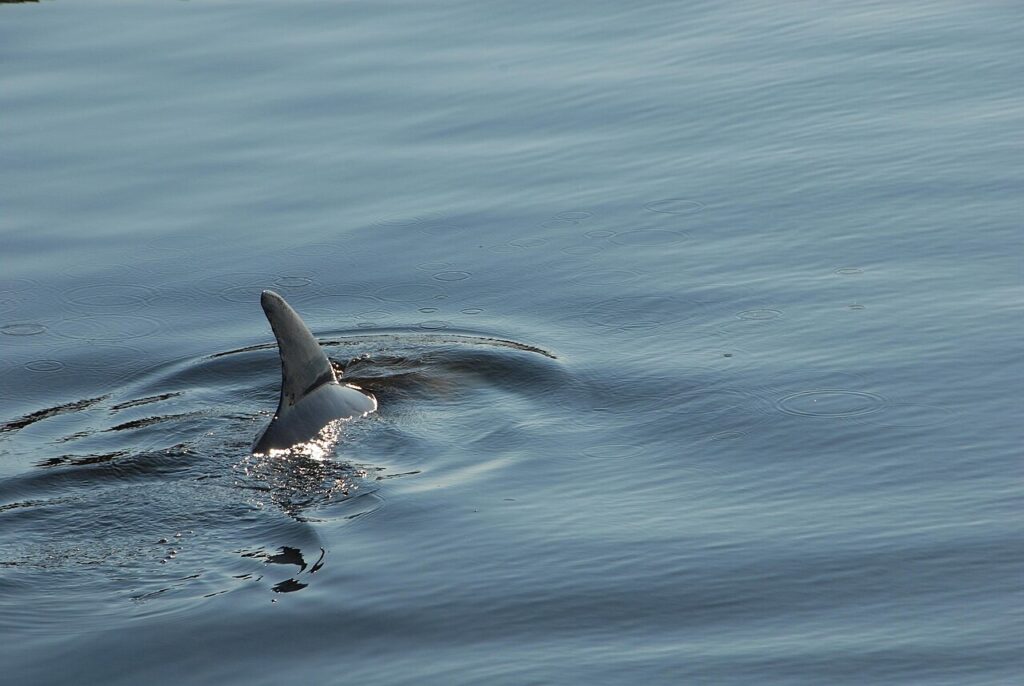
Few experiences match the thrill of watching wild dolphins leap through the water just feet from where you stand. Florida’s warm coastal waters are home to thousands of bottlenose dolphins year-round, and if you know where to look, spotting them is more common than you might think.
Whether you’re watching from shore, paddling a kayak, or joining a guided boat tour, these intelligent marine mammals put on a show nearly every day along both coasts. Here’s where you’ll have the best chance of seeing them.
Best Spots on the Gulf Coast
The Gulf of Mexico’s calm, clear waters make it prime dolphin territory. Fort Myers Beach ranks among the most reliable locations, especially near the sandbars and passes where dolphins hunt for mullet and other fish. Early morning and late afternoon are the best times to spot them feeding.
Clearwater Beach and the surrounding waters of the Intracoastal Waterway also offer excellent dolphin viewing. The calm channels between barrier islands are favorite hunting grounds, and you’ll often see pods working together to corral fish into shallow water. A sunset cruise here combines golden-hour views with prime dolphin activity as they feed before dusk.
Down in Naples, the Naples Pier provides one of Florida’s best free dolphin-watching spots. Stand at the end of the pier in the early morning, and you’ll frequently see dolphins cruising the surf line or hunting in the deeper water beyond the sandbar. The calm waters of Rookery Bay, south of Naples, are also worth exploring by kayak if you want a quieter encounter.
Atlantic Coast Opportunities
Florida’s east coast offers equally impressive dolphin watching, particularly around inlets and estuaries where saltwater meets fresh. Fort Lauderdale’s Intracoastal Waterway teems with dolphin activity year-round. Watch from waterfront parks like Hugh Taylor Birch State Park, or join a sightseeing cruise that ventures out to the sandbars where dolphins gather.
Jupiter Inlet is another hotspot. The strong tidal currents carry baitfish through the narrow channel, and dolphins know it. Position yourself at Dubois Park or along the jetties, and you’ll likely see them hunting in the current or riding the waves just offshore.
St. Augustine’s Matanzas River and the waters around Anastasia State Park also attract resident dolphin pods. Rent a kayak or paddleboard and explore the quiet backwaters early in the morning for the most intimate encounters.
What to Know Before You Go
Bottlenose dolphins live in Florida waters year-round, so there’s no bad season for viewing. That said, summer and early fall often bring the most activity as fish populations peak and dolphins feed more actively in preparation for cooler months.
Early morning and the two hours before sunset are consistently the best times to see dolphins. They hunt when light levels are lower, and the water is typically calmer then, making them easier to spot.
If you’re watching from shore, look for diving birds. Where pelicans and terns are actively feeding, dolphins are often nearby, taking advantage of the same schools of fish. Watch for dorsal fins cutting through the water, or the distinctive arcing motion as dolphins surface to breathe.
Remember that federal law protects dolphins. Stay at least 50 yards away if you’re in a boat or on a paddleboard, never feed them, and don’t attempt to swim with wild dolphins. Responsible viewing ensures these animals remain wild and healthy for future visitors.
Guided Tours vs. Shore Watching
Both approaches have their advantages. Shore watching costs nothing and lets you go at your own pace, but you’re limited to dolphins that come close to land. Piers, jetties, and inlet parks offer the best vantage points.
Guided boat tours take you into deeper water where dolphins are more abundant. Experienced captains know where pods feed and rest, dramatically increasing your chances of close encounters. Tours also provide context about dolphin behavior, local ecology, and conservation efforts.
Kayak tours split the difference, offering an intimate, quiet way to approach dolphins without the noise and wake of motorboats. Just remember that dolphins are fast swimmers, and keeping up with a traveling pod takes effort.
Whether you spot a lone dolphin cruising the shoreline or a pod of twenty hunting together in open water, watching these animals in their natural habitat never gets old. Bring binoculars, a camera with a decent zoom, and patience. Florida’s dolphins are wild, but they’re also curious, social, and remarkably tolerant of respectful observers.
Want more insider tips on Florida’s wildlife and natural wonders? Subscribe to the Love Florida newsletter and get one short story delivered daily, from springs and sandbars to hidden wildlife encounters across the Sunshine State.
Tours & experiences in Florida


Powered by Viator. Some links are affiliate links — we may earn a small commission at no extra cost to you.