
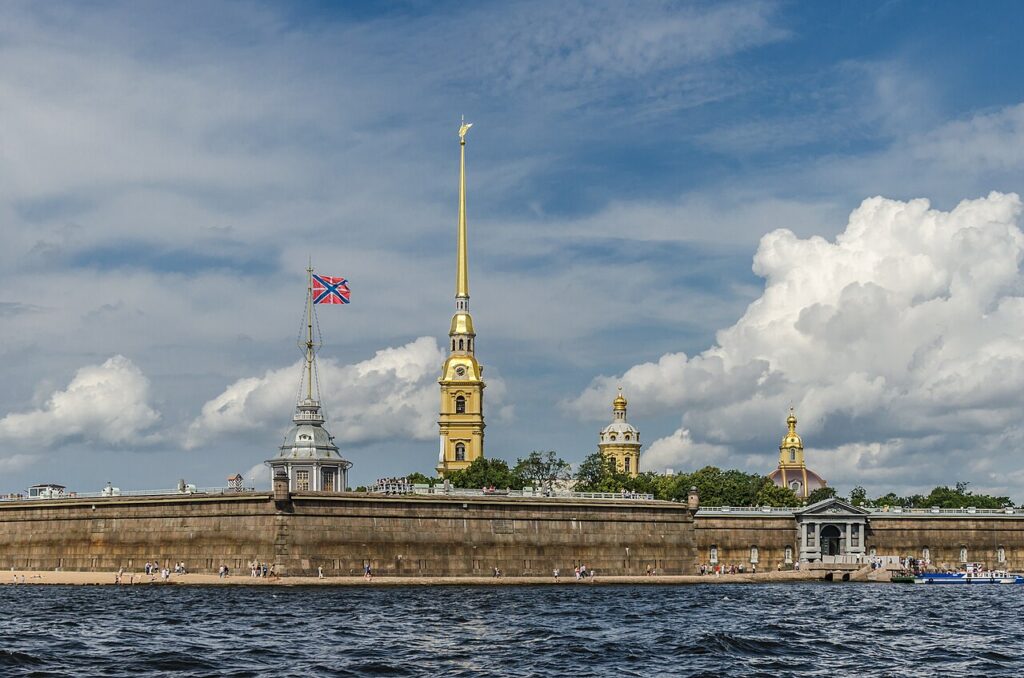
St. Petersburg sits on Florida’s Gulf Coast, connected to Tampa by bridges but feeling worlds apart in character. This city of 260,000 has reinvented itself over the past two decades into a cultural powerhouse with an art scene that rivals cities ten times its size, a walkable downtown lined with cafes and craft breweries, and a waterfront that stretches for miles along Tampa Bay.
Whether you’re an art lover, a foodie, or simply looking for a more relaxed alternative to Florida’s busier destinations, St. Pete delivers without the crowds.
The Museums That Put St. Pete on the Map
The Dalí Museum anchors St. Petersburg’s cultural reputation. Sitting on the downtown waterfront, this striking building houses the largest collection of Salvador Dalí’s work outside Spain—over 2,400 pieces including oil paintings, watercolors, and sculptures. The geodesic glass structure called the Glass Enigma rises from the building’s exterior, a fitting tribute to the surrealist master inside.
Plan at least two hours here. The collection is arranged chronologically, letting you trace Dalí’s evolution from early landscapes to his famous melting clocks and beyond. Free docent tours run throughout the day and add tremendous context to the work.
Across the street, the Museum of Fine Arts offers a completely different experience. This 1965 building holds more than 20,000 works spanning 5,000 years, from ancient Greek pottery to contemporary photography. The sculpture garden overlooking the bay is worth the admission alone.
For contemporary work, the Morean Arts Center and Chihuly Collection showcase stunning glass art in an intimate setting. Dale Chihuly’s vibrant glass installations glow in a purpose-built space designed to make the colors pop.
Downtown and the Waterfront
Central Avenue runs through the heart of downtown St. Petersburg, and walking it reveals why locals are so devoted to their city. The EDGE District (between 10th and 31st Streets) packs in independent shops, restaurants, breweries, and the Saturday Morning Market—one of Florida’s best farmers markets, running year-round.
The St. Pete Pier reopened in 2020 after a complete redesign and instantly became the city’s signature gathering spot. The pier extends nearly half a mile into Tampa Bay, with restaurants, a playground, splash pad, and rooftop observation deck. It’s free to explore, and sunset here is spectacular—you’re looking west over open water with downtown as your backdrop.
Straub Park and Vinoy Park create a green ribbon along the waterfront just north of the pier. The Renaissance Vinoy Resort, a 1925 Mediterranean Revival landmark painted pink, dominates the skyline here. Even if you’re not staying there, walk through the lobby and grab a drink on the veranda overlooking the yacht basin.
Neighborhoods Worth Exploring
The Grand Central District, just northeast of downtown, has emerged as St. Pete’s most creative neighborhood. Centered around Central Avenue in the 2000-2500 blocks, you’ll find vintage shops, craft breweries like Green Bench Brewing, and some of the city’s best breakfast spots. The Wednesday food truck rally draws crowds from across the bay.
Historic Kenwood, northeast of downtown, showcases St. Petersburg’s collection of bungalow-style homes from the 1920s. The tree-canopy streets here feel miles away from the urban waterfront, though you’re only a ten-minute drive from downtown.
Beach Drive, running along the waterfront downtown, concentrates upscale dining and shopping in a European-style streetscape. It’s the place for people-watching over coffee or cocktails, especially on weekend evenings when the sidewalks fill with locals and visitors alike.
Practical Information
St. Petersburg sits 20 miles west of Tampa International Airport via I-275 and the Howard Frankland Bridge. If you’re staying downtown, you won’t need a car—the free Looper trolley connects the waterfront, museums, and neighborhoods every 15 minutes. The Central Avenue Trolley runs east-west through downtown and into the Grand Central District.
October through April offers the most comfortable weather, with daytime temperatures in the 70s and 80s and low humidity. Summer brings afternoon thunderstorms and heat, but also smaller crowds and better hotel rates. St. Petersburg holds the Guinness World Record for consecutive days of sunshine—768 days from 1967 to 1969—and the nickname Sunshine City isn’t just marketing.
For accommodations, downtown puts you within walking distance of museums and restaurants. The waterfront hotels command higher rates but offer bay views and pier access. The Grand Central District provides more affordable options in renovated historic properties.
Budget three full days to properly explore St. Petersburg. One day for museums, another for the waterfront and downtown, and a third for neighborhood exploring and perhaps a drive over to St. Pete Beach (a separate municipality despite the name) for Gulf of Mexico swimming.
St. Petersburg proves that Florida cities can offer substance beyond theme parks and beaches. The art is world-class, the food scene rivals anything in the state, and the waterfront setting provides constant visual relief. It’s a city that rewards slow exploration and repeat visits.
Want more Florida travel stories like this delivered to your inbox? Subscribe to the Love Florida newsletter—one short story a day exploring the real Florida beyond the brochures.
Tours & experiences in Florida


Powered by Viator. Some links are affiliate links — we may earn a small commission at no extra cost to you.