
Tucked into Southwest Florida’s Paradise Coast, Naples has earned its reputation as one of the state’s most elegant beach destinations. But beyond the high-end shopping and manicured golf courses, this Gulf Coast city surprises visitors with wild beaches, accessible arts, and a downtown that actually feels like a real community. Whether you’re planning a weekend escape or a longer stay, Naples rewards those who look past the postcard image.
The Beaches: More Than Just Pretty Sand
Naples Beach, stretching along Gulf Shore Boulevard, draws crowds for good reason. The sand is powdery white, the water impossibly clear, and the sunsets paint the sky in shades you’d swear were Photoshopped. But the city’s beach scene offers more variety than you’d expect.
Head to Delnor-Wiggins Pass State Park at the north end for a wilder experience. The beach here feels untamed, with sea oats waving in the breeze and excellent shelling after storms. The pass itself is a magnet for dolphins and manatees, especially in the early morning. Arrive before 10 a.m. on weekends—the parking lot fills fast.
For sunset, locals favor Vanderbilt Beach. The beach itself is beautiful, but the real draw is the scene: families grilling at the picnic pavilions, paddleboarders gliding through the calm water, and that golden hour light that makes everything glow. There’s ample parking (for a fee) and clean facilities, which matters after a long beach day.
Fifth Avenue South and Third Street South
Naples’ downtown districts offer a pedestrian-friendly alternative to the typical Florida strip mall experience. Fifth Avenue South runs the gamut from national retailers to local boutiques, with outdoor dining that actually feels pleasant even in summer thanks to misting systems and ceiling fans.
The real gem is Third Street South, a quieter stretch lined with banyan trees and independent shops. Stop into the Naples Soap Company for locally made bath products, or browse the rotating art at Shaw Gallery. Wednesday mornings bring a small farmers market where you can pick up mangoes, avocados, and whatever citrus is in season.
For dining, Café Lurcat on Fifth Avenue serves refined French-Mediterranean fare without the stuffiness you might expect. The outdoor courtyard is lovely for lunch. Over on Third Street, Campiello turns out consistently excellent Italian—the wood-fired pizzas and house-made pastas are worth the wait for a table.
The Arts and Culture Scene
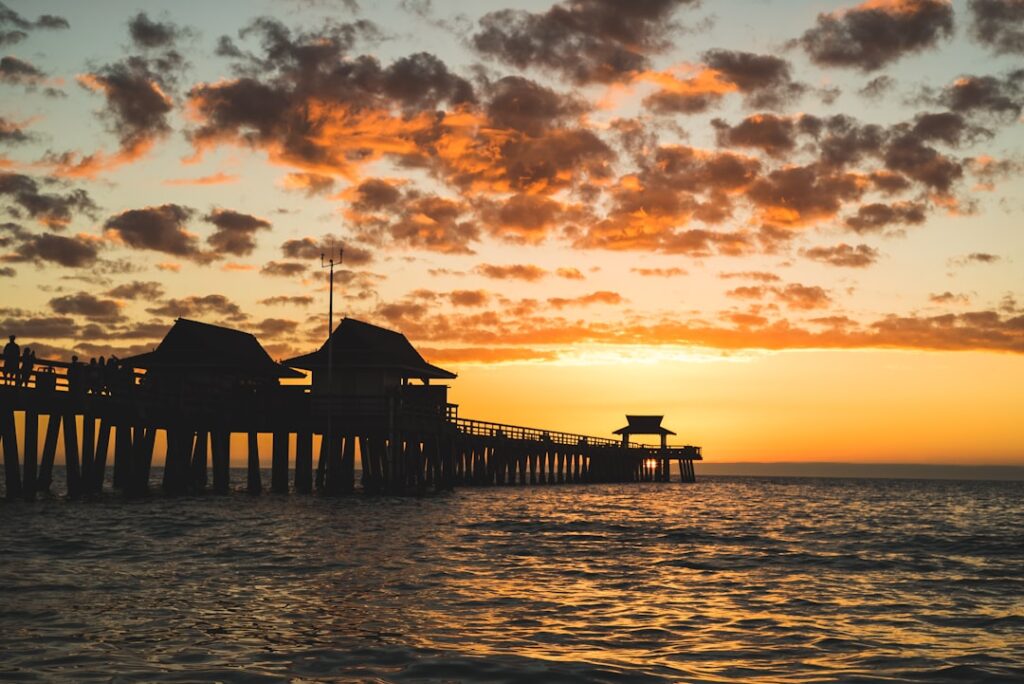
The Naples Pier, extending 1,000 feet into the Gulf, serves as the city’s unofficial town square. It’s free to walk, open sunrise to sunset, and offers prime fishing and people-watching. Dolphins cruise by regularly, and pelicans perch on the railings like they own the place.
Art lovers shouldn’t miss the Baker Museum at Artis—Naples, which houses a surprisingly strong collection of modern and contemporary work. The building itself is architecturally striking, and admission is reasonable at $15 for adults. The campus also includes the Naples Philharmonic, which presents everything from classical concerts to Broadway productions.
The Naples Botanical Garden showcases 170 acres of cultivated landscapes representing tropical regions from around the world. The Florida Garden features native plants you’ll see throughout the state, while the Brazilian Garden explodes with color year-round. Go in the morning when it’s cooler—there’s limited shade on some paths.
Beyond the City Limits
Twenty minutes east of downtown, the landscape shifts dramatically. Corkscrew Swamp Sanctuary, managed by the Audubon Society, protects the largest old-growth bald cypress forest in North America. A 2.25-mile boardwalk winds through the swamp, where you’ll spot alligators, wading birds, and if you’re lucky, wood storks nesting in the towering cypress trees. Winter is prime time for wildlife viewing.
Rookery Bay National Estuarine Research Reserve offers a different perspective on Southwest Florida’s ecosystems. The Environmental Learning Center features aquariums and exhibits explaining the importance of mangrove forests and seagrass beds. Guided kayak tours launch from the reserve—paddling through the mangrove tunnels at high tide is an experience you won’t forget.
Practical Tips for Your Visit
Naples is pricier than most Florida destinations, but you can find value. Visit between May and October for significantly lower hotel rates—yes, it’s hot and occasionally rainy, but mornings and evenings are pleasant, and you’ll have beaches nearly to yourself.
Parking downtown costs $2 per hour at meters, but there are several free municipal lots within a few blocks of Fifth Avenue. Beach parking runs $8-12 per day at most locations.
If you’re driving from Miami or Orlando, the trip takes about two to three hours depending on traffic. Naples lacks public transportation, so a rental car is essential unless you’re staying within walking distance of the beach and downtown.
Winter visitors should book restaurants in advance—snowbird season (January through March) fills tables fast. Summer diners often score walk-in seating at top spots.
Ready to explore more of Florida’s hidden corners and local favorites? Subscribe to the Love Florida newsletter for one short story a day, delivered straight to your inbox.
Tours & experiences in Florida


Powered by Viator. Some links are affiliate links — we may earn a small commission at no extra cost to you.