
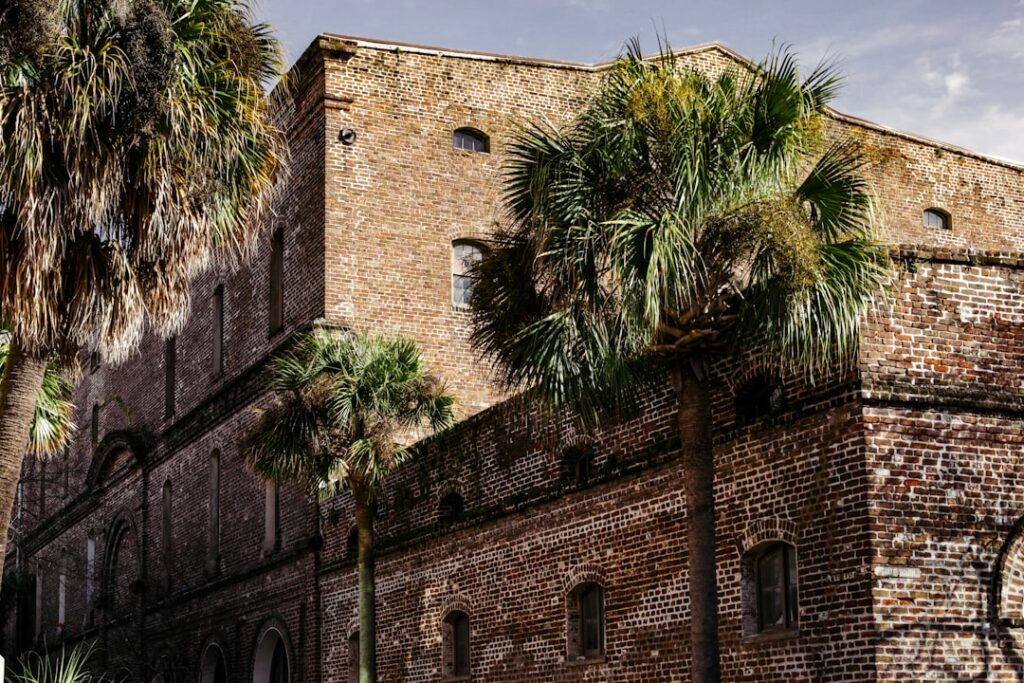
St. Augustine isn’t just old—it’s the oldest continuously occupied European-established settlement in the continental United States. Founded by Spanish admiral Pedro Menéndez de Avilés in 1565, this coastal city on Florida’s northeast shore delivers a genuine journey through centuries of history, wrapped in Spanish colonial architecture, fortress walls, and narrow brick streets that feel worlds away from modern Florida.
Whether you’re a history enthusiast or simply looking for a charming weekend escape, St. Augustine rewards visitors with walkable neighborhoods, waterfront dining, and stories that stretch back more than 450 years.
The Castillo de San Marcos and Colonial Quarter
Start at the Castillo de San Marcos, the massive coquina stone fortress that’s anchored St. Augustine’s waterfront since 1695. This star-shaped fort never fell to enemy attack—a testament to its strategic design and the durability of coquina, a local shellstone that actually absorbed cannonball impacts rather than shattering. The National Park Service manages the site, and ranger-led programs bring the military history to life. Climb to the gun deck for views across Matanzas Bay.
Just a few blocks inland, the Colonial Quarter is a living history museum where costumed interpreters demonstrate blacksmithing, musket firing, and colonial crafts. It’s compact but engaging, especially if you’re traveling with kids who need history served with a bit of action.
St. George Street and the Historic District
St. George Street is the pedestrian heart of the old city. This brick-paved thoroughfare runs for several blocks through the historic district, lined with shops, restaurants, galleries, and some of the oldest structures in North America. You’ll find the Oldest Wooden School House (held together with wooden pegs and wrought iron), the Spanish Military Hospital Museum, and dozens of buildings dating to the 18th and 19th centuries.
Take your time here. Duck into courtyards, sample datil pepper hot sauce (a St. Augustine specialty), and stop for ice cream or a cold drink. The architecture itself tells the story—thick coquina walls, wooden balconies, and shaded loggias designed for Florida’s heat long before air conditioning existed.
Don’t miss the Cathedral Basilica of St. Augustine on the plaza. The current building dates to the 1790s, though a church has stood on this site since the city’s founding. It’s the oldest parish in the United States, and the interior is worth a quiet visit.
Flagler College and the Lightner Museum
In the late 1800s, railroad magnate Henry Flagler transformed St. Augustine into a winter resort for America’s Gilded Age elite. His Hotel Ponce de León, completed in 1888, is now Flagler College. Even if you’re not a student, you can take a guided tour of the building’s grand rotunda, Tiffany stained glass windows, and ornate Spanish Renaissance architecture. It’s one of the most beautiful college campuses in the country.
Across the street, the Lightner Museum occupies Flagler’s former Hotel Alcazar. The collection is eclectic—Gilded Age furnishings, mechanical musical instruments, Victorian glass—but the building itself is the real attraction, especially the former indoor pool that now houses sculptures and the museum café.
Practical Tips for Visiting St. Augustine
St. Augustine is about 40 miles south of Jacksonville and 95 miles north of Daytona Beach, just off Interstate 95. The historic district is compact and best explored on foot, though trolley tours offer a good overview if you’re short on time. Parking can be tight in the historic core; consider using one of the public lots on the west side of the district or arriving early in the day.
The city is busy year-round, but spring and fall offer the most comfortable weather for walking. Summers are hot and humid, with afternoon thunderstorms. Winter is mild and popular with visitors escaping northern cold, so expect crowds around the holidays.
If you’re planning to visit multiple attractions, check Viator for bundled tours and skip-the-line options that can save time during peak season.
Accommodation options range from historic bed-and-breakfasts in restored colonial homes to modern hotels along the waterfront. Staying within walking distance of St. George Street puts you in the center of the action.
Ready to discover more hidden corners and local favorites across Florida? Subscribe to the Love Florida newsletter and get one short story a day—straight to your inbox.
Heads up — some links in this article are affiliate links. If you sign up through them, we may earn a small commission at no extra cost to you. We only recommend tools we use ourselves.
Tours & experiences in Florida


Powered by Viator. Some links are affiliate links — we may earn a small commission at no extra cost to you.