
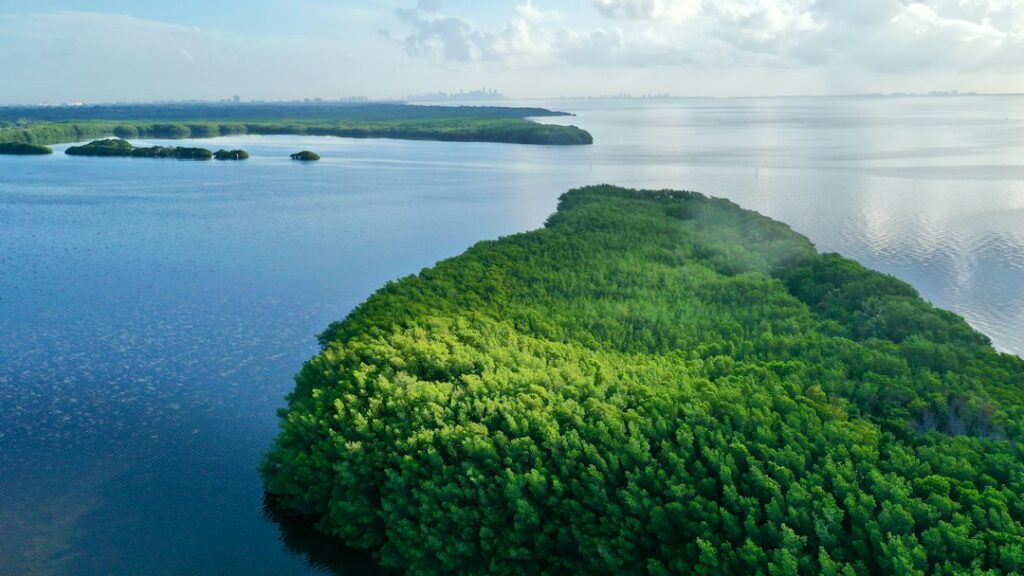
Everglades National Park protects 1.5 million acres of sawgrass prairie, mangrove forest, and freshwater slough in South Florida. It’s the only place on earth where alligators and crocodiles coexist in the wild, and home to endangered Florida panthers, manatees, and hundreds of bird species. Unlike most national parks, the Everglades isn’t about dramatic peaks or canyons—it’s a slow-moving river of grass, and understanding how to experience it makes all the difference.
Getting There and Park Entrances
Everglades National Park has three main entrances, each offering different experiences. The Ernest Coe Visitor Center near Homestead provides access to the main park road, which runs 38 miles southwest to Flamingo on Florida Bay. This is where most first-time visitors start.
The Gulf Coast Visitor Center in Everglades City serves as the gateway to the Ten Thousand Islands region and is the launch point for kayaking and canoeing trips through mangrove tunnels. The Shark Valley entrance, off the Tamiami Trail between Miami and Naples, features a 15-mile loop road perfect for biking and wildlife viewing.
Park entrance fees are $30 per vehicle, valid for seven days. If you’re planning multiple Florida park visits, the America the Beautiful Annual Pass at $80 covers all federal sites.
What to Do: Airboats, Trails, and Paddling
While airboats aren’t allowed inside the national park itself, several operators just outside park boundaries offer rides through the sawgrass. These high-speed tours provide an adrenaline-filled introduction to the ecosystem and almost guarantee alligator sightings.
Inside the park, the Anhinga Trail near Royal Palm is essential. This half-mile boardwalk puts you eye-level with alligators, wading birds, and turtles. Visit early morning or late afternoon when wildlife is most active. The nearby Gumbo Limbo Trail loops through a hardwood hammock—a welcome contrast to the open wetlands.
For paddlers, the Wilderness Waterway is a 99-mile backcountry route from Flamingo to Everglades City, typically taking seven to ten days. Shorter day trips include the Nine Mile Pond Canoe Trail, a marked loop through mangroves and sawgrass that takes about two hours.
Wildlife Watching and Photography
Winter, from December through March, is peak season for wildlife viewing. Receding water concentrates animals around remaining ponds and sloughs, making them easier to spot. You’ll see alligators basking along canal banks, roseate spoonbills feeding in shallow water, and anhingas drying their wings on low branches.
Shark Valley’s tram tours run daily and cover the 15-mile loop with a naturalist guide. The halfway point features an observation tower with panoramic views across the River of Grass. If you prefer to explore at your own pace, rent a bike at the entrance—the flat, paved loop is an easy ride with frequent wildlife stops.
Bring binoculars, a telephoto lens if you’re shooting photos, and patience. The Everglades rewards slow observation. Watch for endangered wood storks, listen for the guttural bellow of alligators during spring mating season, and keep your eyes on the water’s edge for the distinctive snout of an American crocodile.
Best Time to Visit and What to Bring
The dry season—November through April—offers comfortable temperatures, lower humidity, and concentrated wildlife. Summer brings afternoon thunderstorms, oppressive heat, and clouds of mosquitoes. If you visit between May and October, insect repellent isn’t optional, it’s survival gear.
Pack sun protection: a wide-brimmed hat, polarized sunglasses, and reef-safe sunscreen. The Everglades offers little shade. Bring more water than you think you’ll need—a gallon per person for a full day is not excessive in South Florida heat.
Cell service is spotty to nonexistent in much of the park. Download maps and park information before you arrive. If you’re camping or paddling in the backcountry, file a float plan and carry a GPS or satellite communicator.
Plan Your Visit
Flamingo, at the end of the main park road, offers a marina, campground, and limited services. The Flamingo Visitor Center provides backcountry permits and updates on conditions. From here, you can take boat tours into Florida Bay or rent kayaks and canoes to explore the coastal waters.
Rangers lead free walks, talks, and canoe trips throughout the winter season. Check the park website or stop at any visitor center for current schedules. These programs offer insights you won’t get exploring solo—from identifying bird calls to understanding the hydrology that makes this ecosystem function.
The Everglades isn’t a quick stop between Miami and the Keys. Give yourself at least a full day, ideally two, to experience different areas of the park. Come prepared for heat, bugs, and an environment unlike anywhere else in the United States.
Want more insider tips on exploring Florida’s wild places? Subscribe to the Love Florida newsletter and get one short story a day delivered to your inbox.
Tours & experiences in Florida


Powered by Viator. Some links are affiliate links — we may earn a small commission at no extra cost to you.