
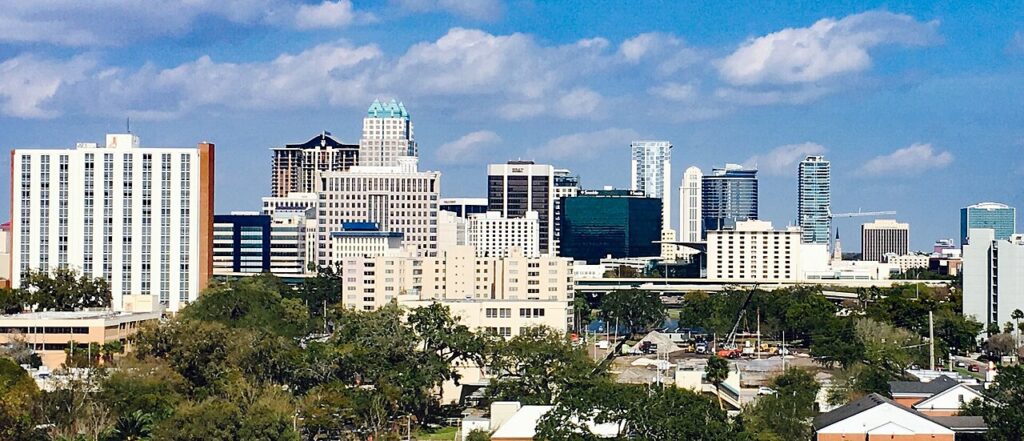
Most travelers know Orlando for its theme parks, but the city and surrounding area offer plenty beyond the gates. From crystal-clear springs to local dining districts and wildlife preserves, there’s an entire side of Central Florida that doesn’t require a ticket or a two-hour wait.
Whether you’re taking a break between park days or skipping the crowds altogether, these local favorites show a different side of the Orlando area.
Natural Springs Within an Hour
Central Florida sits on top of one of the world’s largest freshwater aquifer systems, and several stunning springs are less than an hour from downtown Orlando. Wekiwa Springs State Park, just 20 minutes north in Apopka, offers spring-fed swimming, canoe rentals, and hiking trails through sand pine scrub and hardwood swamps. The water stays a constant 72 degrees year-round.
Rock Springs at Kelly Park in Apopka is another local favorite, especially for tubing. You can float down a lazy river formed by the spring run, and the park provides a tram back to the start. Arrive early on weekends—parking fills up fast during summer.
Blue Spring State Park near Orange City, about 45 minutes north, is one of the best places in Florida to see manatees during winter months. From November through March, these gentle giants gather in the warm spring water. You can swim in the spring during warmer months when manatees aren’t present.
Downtown Orlando and Winter Park
Downtown Orlando has grown into a legitimate dining and cultural district. Lake Eola Park sits at the center, with a walking path around the lake and swan boat rentals. The surrounding streets are lined with restaurants, craft breweries, and the Dr. Phillips Center for the Performing Arts.
Just north, Winter Park offers a completely different atmosphere. Park Avenue runs through the center of town with independent boutiques, sidewalk cafes, and the Charles Hosmer Morse Museum of American Art, which houses the world’s most comprehensive collection of Louis Comfort Tiffany works. The Scenic Boat Tour takes you through a chain of lakes and canals, past winter estates and under moss-draped cypress trees. It’s been running since 1938.
The Winter Park Farmers’ Market operates every Saturday morning year-round and draws locals for fresh produce, prepared foods, and live music.
Wildlife and Nature Preserves
Tibet-Butler Nature Preserve, just south of Orlando near Windermere, protects one of the last remaining scrub ecosystems in Central Florida. Eight miles of trails wind through different habitats, and the preserve offers free guided nature walks on weekends.
Lake Apopka Wildlife Drive, northwest of Orlando, is exceptional for birding. The 11-mile drive through reclaimed wetlands is open Friday through Sunday and offers chances to see alligators, bald eagles, wading birds, and seasonal migratory species. Bring binoculars and visit early morning for the best wildlife viewing.
Closer to the tourist corridor, Forever Florida offers a different perspective on Central Florida’s ecosystem. The working cattle ranch and wildlife conservation area provides zipline tours, horseback rides, and coach safaris through 4,700 acres of native Florida landscape.
Local Dining Districts
Mills 50, northeast of downtown, is Orlando’s most diverse dining neighborhood. The half-mile stretch along Mills Avenue and Colonial Drive concentrates Vietnamese, Korean, Filipino, and Latin American restaurants. Pho 88 and Hawkers Asian Street Food are local staples, while Hamburger Mary’s and Gringos Locos draw crowds on weekends.
The East End Market in the Audubon Park Garden District functions as an artisan food hall with local vendors selling everything from fresh pasta to specialty coffee. It’s open daily and includes a small garden shop and weekend brunch spots.
For Gulf seafood without the drive to the coast, head to Inlet Seafood Restaurant on International Drive. Despite the touristy location, it’s where locals go for stone crab claws in season and fresh grouper year-round.
Planning Your Orlando Alternative
Most of these spots require a car, though downtown Orlando and Winter Park are walkable once you arrive. Spring parks charge a small entrance fee per vehicle, typically $2-6. Many close at sunset, so plan accordingly.
Weekdays offer smaller crowds at the springs and nature preserves. If you’re visiting during summer, morning visits beat the afternoon heat and thunderstorms that roll through most afternoons from June through September.
Winter is ideal for manatee viewing and comfortable hiking temperatures. Spring brings wildflowers to the nature preserves, while fall offers the most pleasant weather overall.
Want more Florida beyond the brochures? Subscribe to the Love Florida newsletter—one short story about the real Florida delivered to your inbox daily.
Tours & experiences in Florida


Powered by Viator. Some links are affiliate links — we may earn a small commission at no extra cost to you.