Just off the coast of Fort Myers, Sanibel and Captiva Islands offer a slower, quieter side of Florida. These barrier islands are famous for their shell-covered beaches, wildlife refuges, and Old Florida charm. Unlike many Gulf Coast destinations, the islands maintain strict development rules—no high-rises, no chain restaurants dominating the skyline, and plenty of preserved natural areas.
A day trip here feels like stepping back in time, and it’s entirely doable from Fort Myers, Cape Coral, or even Naples. Here’s how to make the most of it.
Getting There: The Sanibel Causeway
The only way onto Sanibel Island is via the Sanibel Causeway, a three-mile toll bridge from Fort Myers. Check the Lee County official page for current causeway toll information. Once you cross, you’re on island time—literally. Traffic moves slower here, and there are no stoplights on either island.
Captiva is connected to Sanibel by a short bridge at the northern end. Plan to arrive early, especially on weekends, as parking at the most popular beaches fills up by mid-morning. If you’re visiting during peak winter months (January through March), aim to be on the causeway by 8 a.m.
Shelling: The Sanibel Stoop
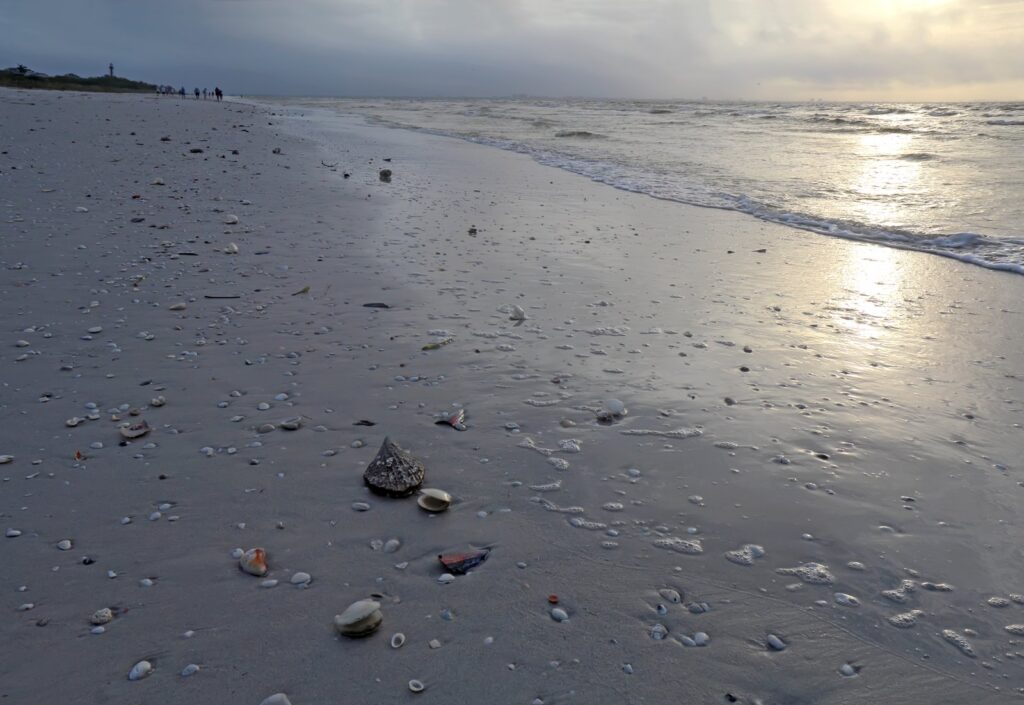
Sanibel is one of the best shelling beaches in the world, thanks to the island’s east-west orientation. While most Florida beaches run north-south, Sanibel juts out into the Gulf like a net, catching shells as they wash ashore. The variety is staggering: fighting conchs, junonia, lightning whelks, sand dollars, and hundreds more.
The best shelling happens at low tide, especially after a storm. Early morning is prime time. Head to Bowman’s Beach or Blind Pass Beach for fewer crowds and excellent finds. You’ll see people doing the “Sanibel Stoop”—the hunched-over walk that comes from hours of scanning the sand.
Florida law allows you to collect empty shells, but leave live shells (ones with animals still inside) where you find them. Bring a mesh bag or bucket to carry your haul.
Where to Spend Your Time
Bowman’s Beach, on Sanibel’s western shore, is the island’s most secluded and natural beach. Parking is paid, and you’ll walk a short trail through native vegetation to reach the sand. It’s quieter than the more central beaches and offers excellent shelling and bird watching.
Lighthouse Beach, at the island’s eastern tip, sits beside the historic Sanibel Lighthouse, built in 1884. The beach here is rockier and better for fishing than swimming, but it’s a beautiful spot for a walk and photos. The lighthouse isn’t open for tours, but the surrounding area is a public park.
On Captiva, the vibe shifts slightly more upscale. Captiva Beach (also called Captiva Public Beach) has limited parking but offers postcard-perfect views and calmer waters. It’s an ideal spot for a picnic or sunset.
If you’re interested in wildlife, the J.N. “Ding” Darling National Wildlife Refuge is a must. This 6,400-acre refuge protects mangrove forests, wetlands, and some of Florida’s best birding. Drive the four-mile Wildlife Drive (open Saturday through Thursday, closed Friday), or rent a kayak or bike to explore the trails. You’ll likely see roseate spoonbills, herons, egrets, alligators, and maybe even a manatee.
Where to Eat
Sanibel and Captiva don’t have chains, so dining here means local spots with character. The Bubble Room on Captiva is a quirky institution—decorated like a Christmas explosion year-round, serving massive slices of cake and comfort food. It’s kitschy, but it’s also been around since 1979 for a reason.
For fresh seafood, Doc Ford’s Rum Bar & Grille on Sanibel (named after the Randy Wayne White novel series) offers grouper sandwiches, fish tacos, and a solid rum selection. The Lazy Flamingo, with two Sanibel locations, is a no-frills local favorite known for its grouper bites and cold beer.
If you’re packing a cooler, Bailey’s General Store on Sanibel has groceries, deli sandwiches, and everything you need for a beach picnic.
Practical Tips for Your Visit
Bring sunscreen, a hat, and plenty of water—there’s limited shade on the beaches. Bug spray is a good idea if you’re visiting the wildlife refuge or walking trails, especially in the warmer months.
Parking at the beaches is pay-and-display; check the City of Sanibel’s official page for rates. Arrive early to secure a spot, especially in winter.
If you want to extend your visit, bike rentals are popular on both islands. The islands are flat, and there are dedicated bike paths along most main roads. It’s a great way to explore at a slower pace.
Allow at least a full day for Sanibel and Captiva—rushing through defeats the purpose. These islands reward visitors who slow down, scan the sand, and let the Gulf set the pace.
Want more Florida travel stories delivered to your inbox? Subscribe to the Love Florida newsletter—one short story a day, bringing you the best of the Sunshine State beyond the brochures.
Tours & experiences in Florida


Powered by Viator. Some links are affiliate links — we may earn a small commission at no extra cost to you.