
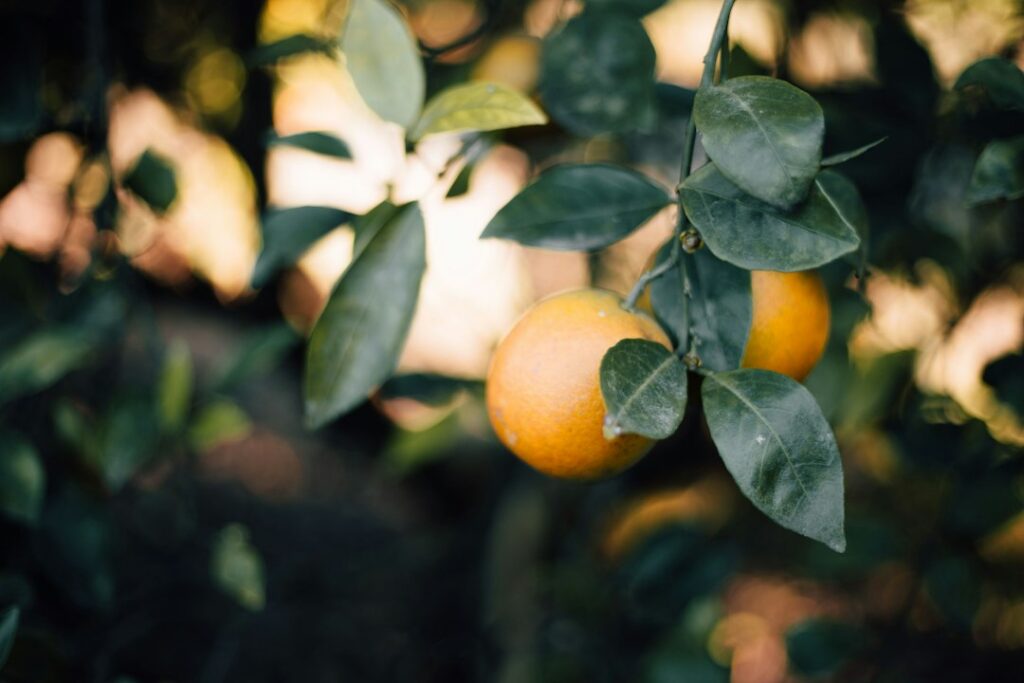
Florida produces more citrus than any other state, and visiting a working grove or attending a citrus festival offers a delicious slice of authentic Florida culture. From January through April, when most varieties ripen, you can tour historic groves, pick fruit straight from the tree, and taste juice so fresh it redefines what orange juice should be.
The citrus belt stretches from Indian River County on the Atlantic coast through the central ridge and down to Southwest Florida. Each region grows different varieties, and the experience of wandering through a sun-dappled grove, heavy with fruit, connects you to a Florida tradition that predates the theme parks by more than a century.
Indian River County: Grapefruit Gold
The Indian River region, centered around Vero Beach and Fort Pierce, produces some of the world’s finest grapefruit. The unique microclimate and soil create fruit with extraordinary sweetness and deep color. At Hale Indian River Groves in Wabasso, you can tour the packing house during harvest season and watch workers sort fruit by hand, just as they’ve done for generations.
The grove’s retail shop sells fresh-squeezed juice, marmalades, and citrus candies. Come in February or March when ruby red grapefruit is at its peak. Many groves in this area ship nationwide, but nothing compares to selecting fruit yourself and tasting it within hours of picking.
Drive along State Road A1A through this region and you’ll pass roadside stands selling bags of fruit for a fraction of supermarket prices. Look for small, family-run operations with handwritten signs.
Central Florida’s Ridge Groves
The sandy ridge running through Polk and Highlands counties has supported citrus growing since the 1800s. Winter Haven, Lake Wales, and Sebring anchor this citrus heartland. Uncle Matt’s Organic in Clermont offers tours of their certified organic groves, where you’ll learn about sustainable farming practices and the return of native pollinators.
At Showcase of Citrus in Clermont, you can take a monster truck-style swamp buggy tour through active groves, pick your own fruit in season, and sample varieties you’ve never heard of, including honeybell tangelos, sugar belle oranges, and cara cara navels. The property includes a farm-fresh restaurant serving citrus-glazed pulled pork and orange blossom honey ice cream.
Plan your visit between January and March for the best selection. The u-pick experience costs around fifteen dollars per person, and you can fill a bag with as much fruit as you can carry.
Southwest Florida’s Sweet Harvest
Around Fort Myers and Naples, smaller boutique groves focus on rare varieties and value-added products. Alva, a tiny community northeast of Fort Myers, hosts several pick-your-own operations. Drummond’s Citrus in Alva grows temple oranges, a variety that’s becoming increasingly rare, alongside meyer lemons and key limes.
The area’s groves tend to be more rustic and less commercial than their central Florida counterparts. You’ll navigate sandy roads and park under oak trees draped with Spanish moss. Bring cash, wear closed-toe shoes, and don’t mind getting a little dusty.
Citrus Festivals Worth Planning Around
The Florida Strawberry Festival in Plant City includes substantial citrus exhibits each March, with fresh-squeezed lemonade and orange juice stands throughout the fairgrounds. It’s one of the state’s largest agricultural festivals and draws crowds from across the Southeast.
Lake Wales hosts the annual Orange Blossom Revue during citrus bloom season in late winter. The festival celebrates Florida’s citrus heritage with grove tours, cooking demonstrations featuring citrus in savory dishes, and samplings of specialty honeys made from orange blossoms.
In LaBelle, the Swamp Cabbage Festival in February includes citrus growers selling fruit directly from their trucks, along with homemade preserves and citrus baked goods. It’s a genuine slice of rural Florida life.
What to Know Before You Go
Citrus season runs from October through May, with different varieties peaking at different times. Navel oranges ripen first, starting in November. Honeybell tangelos appear briefly in January. Valencia oranges, prized for juice, come late in the season, from March through May.
Most working groves open to the public operate from 9 a.m. to 5 p.m. daily during season, but call ahead to confirm. Some require reservations for tours, especially smaller family operations. Wear long pants and sturdy shoes, as fire ants and sandspurs are common in groves.
When picking your own, learn to judge ripeness by weight, not color. Florida oranges can have green skin and still be perfectly ripe. The heaviest fruit has the most juice. Smell the stem end; ripe citrus has a bright, sweet fragrance.
If you’re buying to take home, ask about shipping. Many groves will pack and ship fruit anywhere in the continental United States, usually within 24 hours of picking. Prices are remarkably reasonable, and a box of tree-ripened fruit makes an impressive gift.
Want more insider stories and tips for discovering the real Florida? Subscribe to the Love Florida newsletter and get one short story delivered to your inbox each day.
Tours & experiences in Florida


Powered by Viator. Some links are affiliate links — we may earn a small commission at no extra cost to you.