
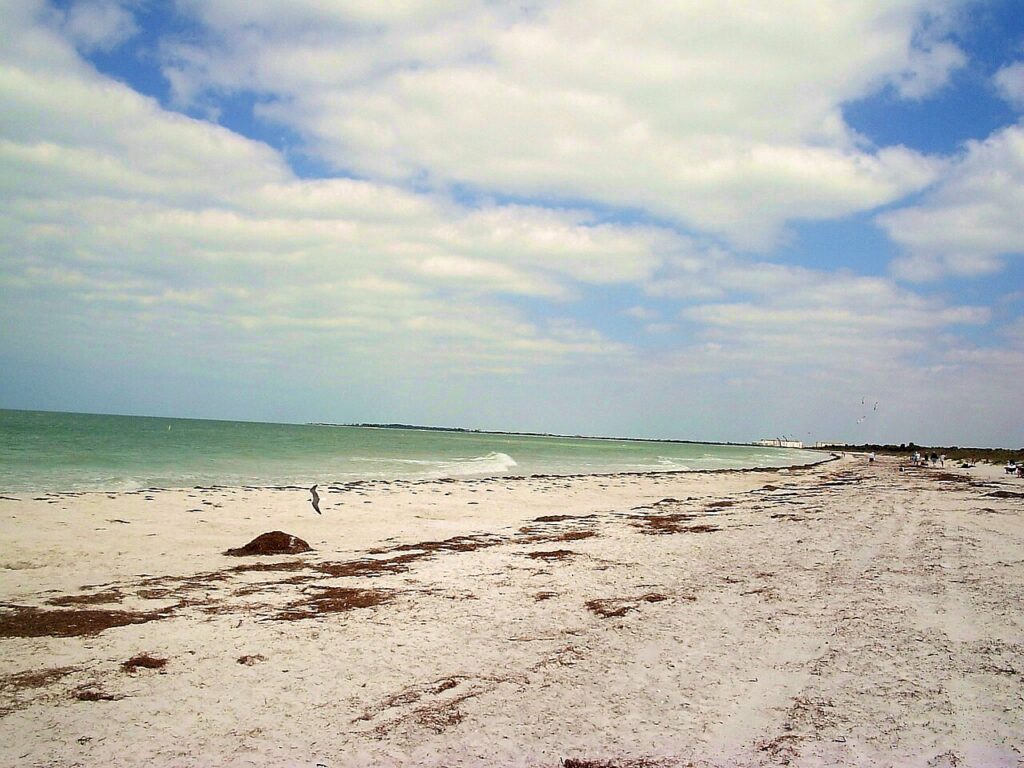
While millions flock to Florida’s famous beaches each year, one of the state’s most beautiful stretches of sand requires a little extra effort to reach — and that’s exactly what keeps it so perfect. Caladesi Island State Park, accessible only by ferry or private boat, consistently ranks among America’s top beaches, and once you step onto its powdery white sand, you’ll understand why.
Located just off the coast of Dunedin in the Tampa Bay area, this 600-acre barrier island feels like a world away from the crowded beach towns that define much of Florida’s coastline. The island’s three miles of pristine beach remain largely undeveloped, protected as a state park since 1968. Sea oats sway on the dunes, ospreys nest in the pines, and the shallow turquoise waters stretch endlessly toward the horizon.
Getting to Caladesi Island
The most common way to reach Caladesi is aboard the hourly ferry that departs from Honeymoon Island State Park. The ferry runs daily, weather permitting, and the 20-minute ride across Hurricane Pass offers dolphin sightings and views of luxury homes on the Dunedin coastline. Tickets are first-come, first-served, so arrive early during peak season — especially on weekends between March and August.
If you have access to a boat, you can dock at the island’s 108-slip marina on the bay side. Kayakers often paddle the three miles from Honeymoon Island, though this route requires some experience navigating tidal currents. Whatever method you choose, plan to spend at least three to four hours exploring — the island rewards those who linger.
What Makes Caladesi Special
The beach itself stretches along the island’s Gulf side, a seemingly endless ribbon of fine white quartz sand. Unlike many Florida beaches that require constant renourishment, Caladesi’s beach builds naturally, creating one of the widest, most stable shorelines in the state. The water stays shallow for dozens of yards, making it ideal for families with young children.
Shell collectors should bring a bag. The island’s position and currents bring in an excellent variety of shells, especially after storms. Look for lightning whelks, sand dollars, fighting conchs, and the occasional alphabet cone. Early morning beachcombers have the best luck, as the overnight tides deposit fresh finds.
Beyond the beach, a three-mile nature trail winds through the island’s interior maritime forest. The boardwalk trail passes through mangrove swamps and coastal hammocks where gopher tortoises amble across the path and armadillos rustle in the palmetto scrub. Bring mosquito repellent for this shaded walk, especially in summer months.
Planning Your Visit
The island has no food concessions, so pack a cooler with lunch, snacks, and plenty of water. Picnic tables and pavilions are available near the beach, and the shade is welcome on hot afternoons. The park provides restrooms, outdoor showers, and a small ranger station where you can ask questions about wildlife and trail conditions.
Swimmers should note that Caladesi has no lifeguards. The Gulf waters are generally calm, but rip currents can develop, particularly during stormy weather or when winds pick up. Check conditions with the ferry captain or rangers before venturing out.
Visit in fall or winter for the most comfortable temperatures and smallest crowds. September through November brings warm water temperatures with fewer visitors, though you’ll want to monitor tropical weather during hurricane season. Winter months offer cooler air but still-pleasant water, and you might have entire stretches of beach to yourself on weekday mornings.
The ferry typically stops running about 90 minutes before sunset, and missing the last boat means arranging your own water taxi or a very long paddle. Keep track of time, set a phone alarm, and give yourself buffer room — though if you’re enjoying Caladesi’s peaceful beauty, it’s easy to lose track of the hours.
Beyond the Beach
Kayakers can explore the island’s bay side, where a marked paddling trail winds through mangrove tunnels. The calm, protected waters make this one of the area’s best spots for beginning paddlers, and the mangrove roots shelter juvenile fish, rays, and the occasional manatee. Kayak rentals are available at the marina during peak season.
Anglers fish from the beach for pompano, whiting, and redfish, or cast from the marina docks for snook and spotted seatrout. A Florida fishing license is required, and rangers occasionally check, so purchase one in advance online or at tackle shops in Dunedin.
Serious beach lovers sometimes combine a Caladesi visit with time at neighboring Honeymoon Island, which offers its own excellent beach and easier access by car. The two islands were actually one landmass until a 1921 hurricane cut them in half, and you can still see the narrow channel that separated them on the ferry ride over.
Whether you spend your day swimming in the crystalline Gulf, searching for shells, or simply reading in the shade of a sea grape tree, Caladesi Island offers something increasingly rare in Florida: an unspoiled beach experience that feels genuinely wild. It takes a little effort to get there, but that’s precisely what makes it worth protecting — and visiting.
Want more insider tips on Florida’s hidden beaches and natural wonders? Subscribe to the Love Florida newsletter and get one short story a day delivered to your inbox.
Tours & experiences in Florida


Powered by Viator. Some links are affiliate links — we may earn a small commission at no extra cost to you.