
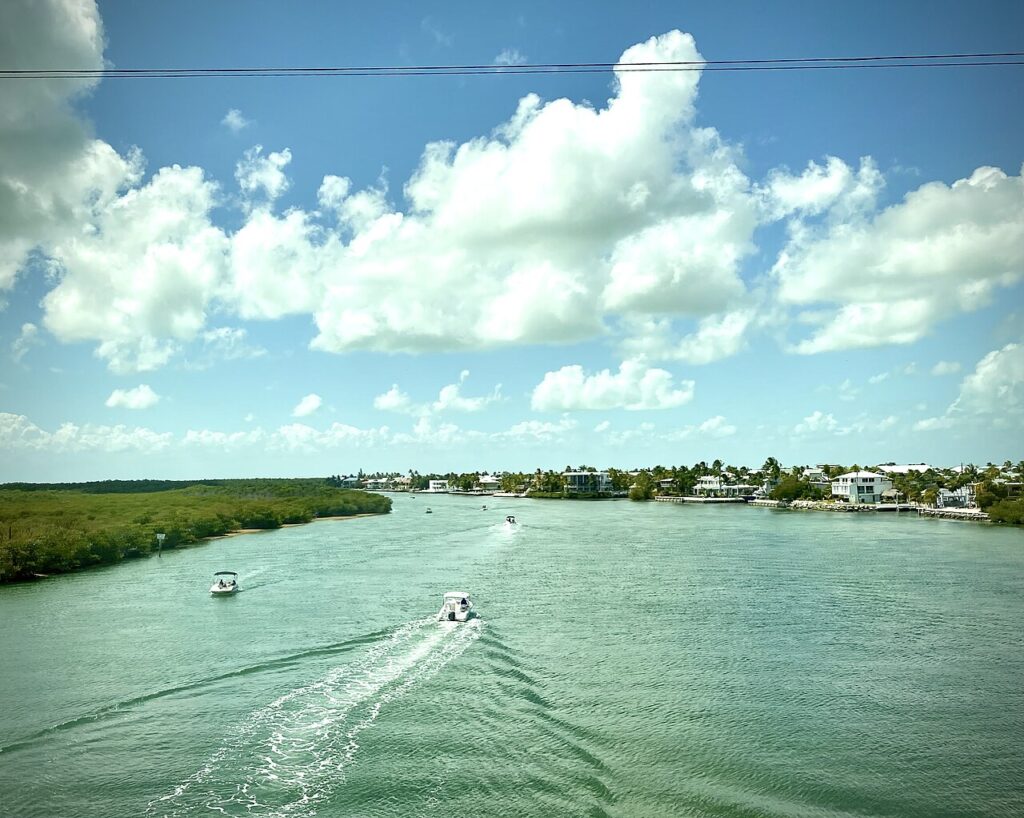
Drive south from Miami on the Overseas Highway and you’ll reach Islamorada around Mile Marker 80, where the Florida Bay meets the Atlantic and creates one of the most productive fishing grounds on the planet. This collection of six islands—officially the Village of Islands—has earned its nickname as the Sport Fishing Capital of the World, but there’s much more to discover beyond the legendary backcountry flats and offshore reefs.
Whether you’re casting a line for tarpon, exploring historic sites, or watching the sun drop into Florida Bay from a waterfront restaurant, Islamorada captures the essence of Keys living without the crowds of Key West or the remoteness of the Lower Keys.
Fishing in Islamorada
The waters around Islamorada host more than 600 species of fish, and local guides have spent lifetimes learning where they feed and when. Backcountry fishing in Florida Bay targets bonefish, permit, and tarpon—the so-called Grand Slam that draws fly fishers from around the world. Spring through fall is prime tarpon season, with these silver giants migrating through the channels and putting on aerial shows that make for unforgettable photos.
Offshore, the reef and Gulf Stream hold dolphin (mahi-mahi), wahoo, sailfish, and marlin. Winter months bring cooler water and excellent sailfish action, while summer offers consistent mahi and kingfish. If you’ve never chartered a boat, Islamorada’s marina district along the highway is packed with captains offering half-day and full-day trips. Bud N’ Mary’s Marina at Mile Marker 79.8 has been booking charters since 1944 and remains the hub of the fishing scene.
For a more budget-friendly option, try fishing from one of the bridges or book a spot on a party boat that heads to the reef. Indian Key Fill at Mile Marker 78.5 offers shore access where locals catch snappers, jacks, and barracuda.
Beyond the Fishing
Robbie’s Marina at Mile Marker 77.5 is worth a stop even if you’re not fishing. The dock here is famous for its resident tarpon that gather for daily feedings—you can buy a bucket of baitfish and hand-feed these massive fish that sometimes weigh over 100 pounds. It’s a guaranteed wildlife encounter that kids especially love. Robbie’s also rents kayaks and paddleboards for exploring the mangrove channels of the backcountry.
History buffs should visit the History of Diving Museum at Mile Marker 82.9, which houses the world’s largest collection of diving equipment and helmets. The exhibits trace diving from ancient breath-hold techniques to modern scuba technology, with many artifacts recovered from local shipwrecks.
For beach time, head to Anne’s Beach at Mile Marker 73.5, a small but beautiful stretch with a boardwalk through the mangroves and shallow, calm water perfect for wading and spotting juvenile fish. It’s not a wide sandy beach, but it offers a peaceful escape and good parking.
Where to Eat and Drink
Islamorada’s restaurant scene punches above its weight. The Islamorada Fish Company at Mile Marker 81.5, housed in the historic Hurricane Monument building, serves fresh hogfish sandwiches, stone crab claws in season, and key lime pie with views of the bay. Go at sunset for the full experience.
Marker 88 at Mile Marker 88 (naturally) offers upscale Keys cuisine with tables right on Florida Bay. The pan-seared yellowtail snapper and conch chowder are standouts. For a more casual vibe, Lazy Days Restaurant at Mile Marker 79.9 has been serving burgers, conch fritters, and cold beer since the 1990s, with a laid-back outdoor setting under the trees.
Don’t miss the Florida Keys Brewing Company at Mile Marker 81.6 for craft beers brewed on-site. The taproom serves pizzas and sandwiches, and the outdoor space is dog-friendly.
Planning Your Visit
Islamorada sits roughly 80 miles south of Miami, about a 90-minute drive down US-1. Most lodging clusters around Mile Markers 80 to 85, with options ranging from vintage mom-and-pop motels to upscale resorts like Cheeca Lodge & Spa. Book early during peak season (December through April) and during major fishing tournaments.
Hurricane season runs June through November, with September and October seeing the highest risk. Summer also brings afternoon thunderstorms, hot temperatures, and more mosquitoes in the backcountry—but fewer crowds and better lodging rates. Many locals consider May and November ideal months for visiting.
Most restaurants and shops accept cards, but bring cash for marina tips, bait, and small vendors. Cell service is generally reliable throughout Islamorada.
Whether you’re stalking bonefish on the flats or simply watching pelicans dive-bomb baitfish from a bayside deck chair, Islamorada delivers an authentic Keys experience that balances adventure with relaxation. It’s the Florida that existed before the crowds discovered it—and somehow, it’s managed to stay that way.
Want more Florida travel inspiration delivered daily? Subscribe to the Love Florida newsletter and get one short story each day about the state’s best beaches, hidden gems, and insider tips.
Tours & experiences in Florida


Powered by Viator. Some links are affiliate links — we may earn a small commission at no extra cost to you.