
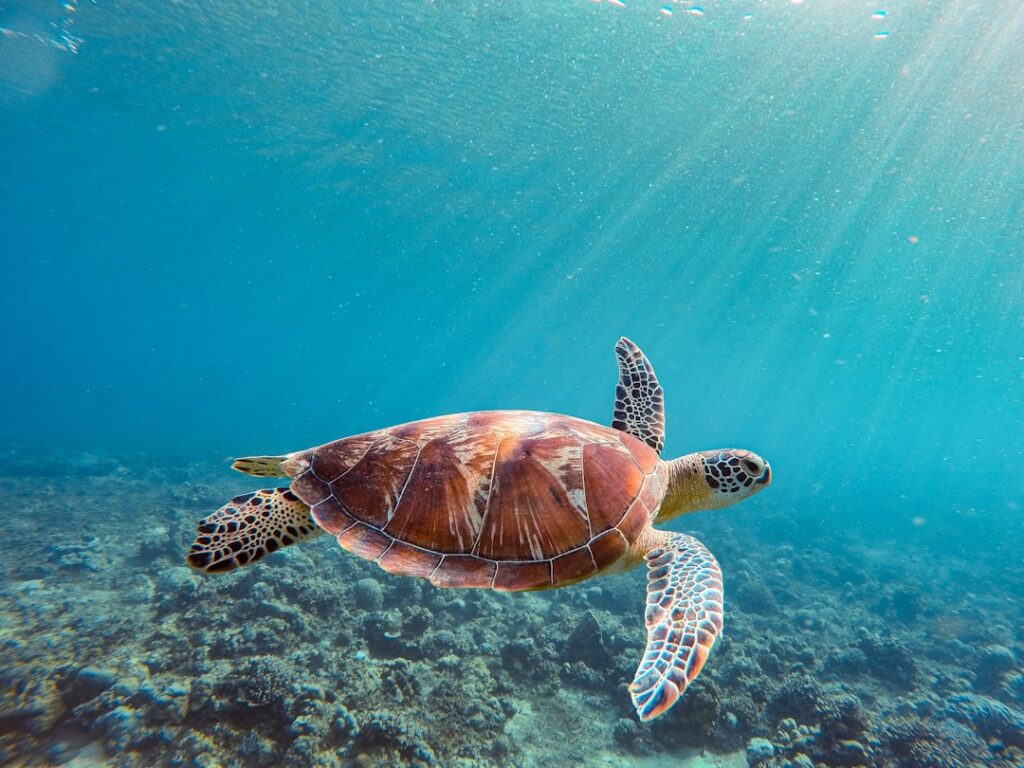
Every summer, thousands of loggerhead, green, and leatherback sea turtles return to Florida’s beaches under cover of darkness to lay their eggs. It’s one of the state’s most extraordinary wildlife experiences, and if you time it right, you can watch these ancient mariners crawl ashore on the same beaches where they were born decades earlier.
Florida hosts roughly 90 percent of all sea turtle nesting in the continental United States, with peak season running from May through October. The spectacle draws visitors from around the world, but seeing it responsibly requires knowing where to go, when to visit, and how to minimize your impact on these threatened and endangered species.
The Best Beaches for Sea Turtle Nesting
The stretch of coastline from Melbourne Beach south to Fort Lauderdale is often called the “sea turtle capital of the world.” Brevard County’s Archie Carr National Wildlife Refuge protects 20 miles of critical nesting habitat between Melbourne Beach and Wabasso Beach, with more than 15,000 loggerhead nests recorded in peak years.
On Florida’s Gulf Coast, Sanibel and Captiva islands, along with nearby Fort Myers Beach, host significant nesting activity. Clearwater Beach and the barrier islands near St. Petersburg also see regular nesting, though in smaller numbers. In the Panhandle, the beaches around Destin and Panama City Beach attract loggerheads and an occasional green turtle.
South Florida’s Palm Beach, Boca Raton, and Juno Beach are also prime locations. Juno Beach in particular has earned a reputation as one of the most accessible spots for guided turtle walks, with thousands of nests laid each season on its shores.
Guided Turtle Walks: The Best Way to See Nesting
While it’s possible to stumble upon a nesting turtle during a late-night beach stroll, your best chance of witnessing this behavior is on a guided turtle walk led by trained naturalists. These tours operate under special permits and follow strict protocols to protect the animals.
The Loggerhead Marinelife Center in Juno Beach offers turtle walks from June through July, when nesting activity peaks. Reservations open months in advance and fill quickly. The walks begin around 9 p.m. and last about two hours, with no guarantee of sightings—but success rates are high during peak weeks.
On the Gulf Coast, the Conservancy of Southwest Florida in Naples runs turtle monitoring programs and occasionally offers public walks. The Clearwater Marine Aquarium also hosts educational programs tied to local nesting activity, though direct observation opportunities are more limited.
Sebastian Inlet State Park and Canaveral National Seashore on the Space Coast both host ranger-led programs during nesting season. These are typically free or low-cost and provide excellent educational context even if you don’t see a turtle that particular night.
What to Expect During Nesting Season
Female sea turtles come ashore only at night, usually between 9 p.m. and 3 a.m. They emerge from the surf, crawl above the high tide line, dig a nest with their rear flippers, and deposit 80 to 120 ping-pong-ball-sized eggs. The entire process takes one to two hours.
Once the eggs are covered, the turtle camouflages the nest and returns to the ocean. About 60 days later, the hatchlings emerge—almost always at night—and make their instinctive dash to the water, guided by the moon’s reflection on the waves.
If you’re lucky enough to witness a nesting turtle, keep your distance, stay silent, and never use flashlights or camera flashes. White light disorients both nesting females and hatchlings. Many guided walks use red-filtered lights, which are less disruptive. Never touch a turtle or interfere with the nesting process.
Planning Your Visit
Book guided turtle walks as early as possible—many programs open reservations in March or April for June and July tours. Wear dark clothing, bring insect repellent, and be prepared for a late night on the beach. Tours sometimes wait hours without a sighting, so patience is essential.
If you’re staying in a beachfront property during nesting season, close your curtains at night and turn off exterior lights. Coastal lighting is one of the biggest threats to sea turtles, causing hatchlings to wander inland instead of toward the ocean.
Morning beachgoers can also help by filling in holes and knocking down sandcastles, which can trap hatchlings. If you encounter a marked nest (usually indicated by stakes and tape), give it a wide berth.
Sea turtle nesting is a privilege to witness and a reminder of Florida’s vital role in the survival of these species. Whether you join a guided walk or simply learn to be a more mindful beachgoer, you’re contributing to the protection of a phenomenon that’s been happening on these shores for millions of years.
Want more stories about Florida’s wildlife, hidden beaches, and insider travel tips? Subscribe to the Love Florida newsletter and get one short story a day in your inbox.
Tours & experiences in Florida


Powered by Viator. Some links are affiliate links — we may earn a small commission at no extra cost to you.