
Florida doesn’t really have four seasons the way the rest of the country does. What it has instead is a rhythm all its own: warm winters that draw millions of visitors, blazing summers with afternoon thunderstorms, and shoulder seasons that offer some of the best weather and smallest crowds of the year.
After years of visiting and living in Florida, I’ve learned that timing can make or break your trip. Here’s what to expect month by month, so you can choose the best time for your travel style and budget.
Winter: Peak Season for a Reason
December through March is when Florida earns its nickname as the Sunshine State. While the rest of the country battles snow and ice, Florida’s winter temperatures hover between the mid-60s and mid-70s — perfect beach weather if you’re coming from Boston or Chicago.
This is peak season, especially from mid-February through March when spring breakers and snowbirds converge. Expect higher prices for hotels and vacation rentals, crowded theme parks, and packed beaches from Miami to Naples. Book accommodations at least three months ahead, and consider visiting smaller towns like Sanibel Island or Islamorada for a quieter experience.
The upside? Nearly perfect weather. You’ll see hardly any rain, low humidity, and endless blue skies. It’s ideal for outdoor activities like kayaking in the Everglades, exploring the natural springs, or spending all day at the theme parks without wilting in the heat.
Spring: Shoulder Season Perfection
April and May are my favorite months to visit Florida. The spring break crowds have dispersed, but the weather remains beautiful — warm days in the 80s, cool evenings, and minimal rain. Hotel rates drop significantly after Easter, making this an excellent time for budget-conscious travelers.
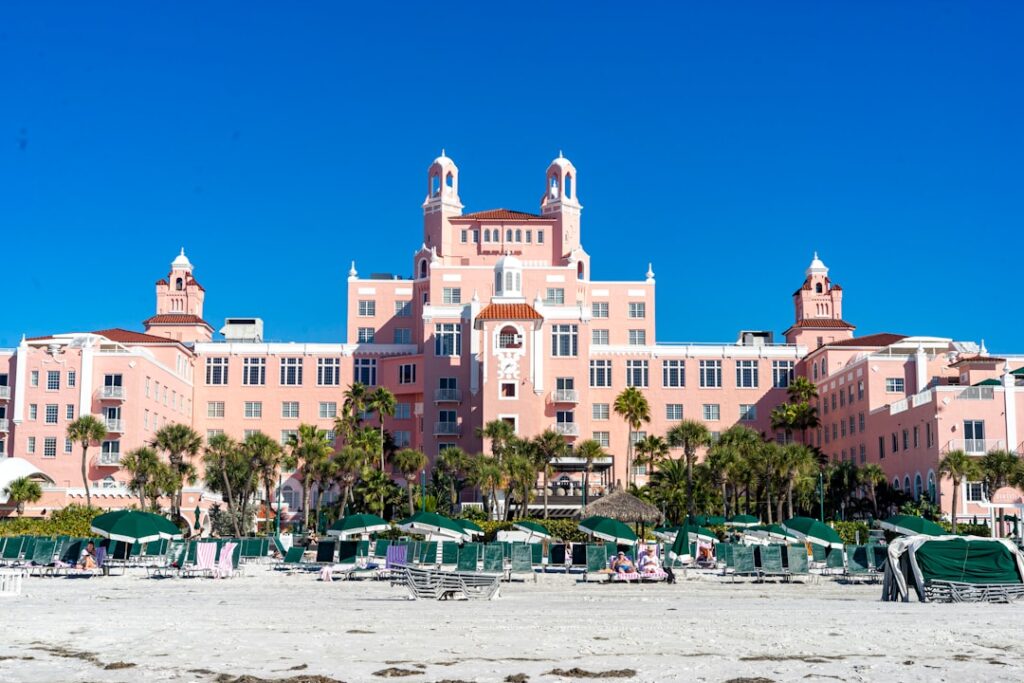
This is perfect beach weather along the Gulf Coast. Siesta Key, Clearwater Beach, and the beaches near St. Petersburg are warm enough for swimming but not oppressively hot. The water temperature climbs into the upper 70s, and you’ll find plenty of room to spread out your towel.
Late May marks the unofficial start of sea turtle nesting season along Florida’s Atlantic coast. Many beaches offer guided turtle walks at dawn, where you can watch loggerheads come ashore to lay their eggs. Hurricane season officially begins June 1, but serious storm activity rarely picks up until August.
Summer: Heat, Humidity, and Afternoon Storms
June through September brings the heat and the crowds — but not the crowds you’d expect. Summer is actually slower at Florida’s theme parks than winter, despite school vacations. Many Florida residents avoid the parks during the hottest months, and international tourism dips.
Expect temperatures in the low 90s with humidity that makes it feel even hotter. Nearly every afternoon brings a thunderstorm, usually between 2 and 5 p.m. These storms are intense but brief — plan indoor activities or a late lunch during peak storm hours, then head back out when the rain passes.
Summer is peak hurricane season, particularly August and September. While major hurricanes are relatively rare, tropical storms can disrupt travel plans. Travel insurance is worth considering during these months. That said, summer offers the lowest hotel rates of the year and shorter wait times at the major attractions.
If you visit in summer, start your days early. Hit the theme parks at opening, enjoy the beach in the morning, or kayak the springs before 11 a.m. Take a break during the hottest part of the day, then venture out again in the evening when temperatures drop.
Fall: The Underrated Season
October and November are Florida’s other shoulder season, and they’re equally wonderful if you can swing the timing. September is still active hurricane season and best avoided, but by October the risk drops significantly.
October brings warm beach days, fewer crowds, and lower prices. The ocean water is still bath-warm from summer heating, making it perfect for swimming, snorkeling, and paddleboarding. Fall is also stone crab season — restaurants across the state start serving fresh claws from mid-October through mid-May.
November is one of the quietest months in Florida tourism. Theme parks are manageable, beaches are peaceful, and temperatures cool into the comfortable 70s and low 80s. Thanksgiving week is busy, but the rest of the month offers tremendous value.
Wildlife watching peaks in fall and winter. Manatees begin congregating in the warm-water springs as ocean temperatures drop. Blue Spring State Park, Homosassa Springs, and Crystal River become manatee hotspots from November through March.
Planning Your Trip
The best time to visit Florida depends entirely on what you want. Guaranteed sunshine and don’t mind crowds? Visit January through March. Looking for deals and can handle heat? Summer might be your season. Want the sweet spot of good weather and reasonable prices? Aim for April, May, October, or November.
No matter when you visit, book early for winter travel, pack rain gear in summer, and always have a backup plan during hurricane season. Florida rewards flexibility — and the state has something special to offer every month of the year.
Want more insider tips on planning your Florida adventure? Subscribe to the Love Florida newsletter and get one short story a day, delivered straight to your inbox.
Tours & experiences in Florida


Powered by Viator. Some links are affiliate links — we may earn a small commission at no extra cost to you.