
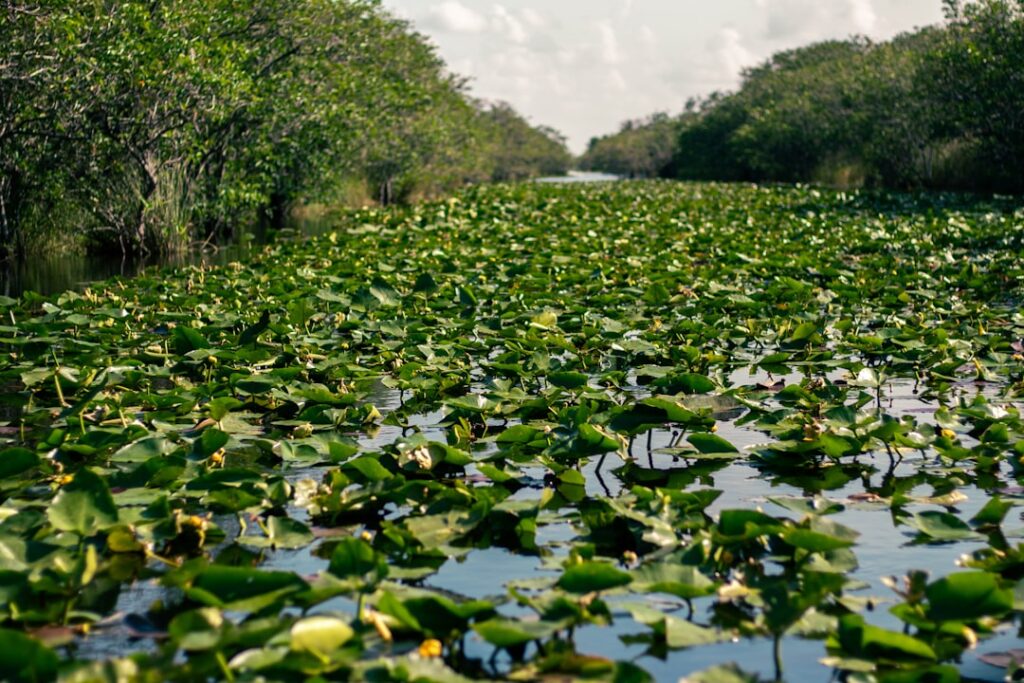
The Everglades isn’t just a swamp—it’s a 1.5-million-acre ecosystem unlike anywhere else on Earth. This slow-moving river of grass stretches from Lake Okeechobee to Florida Bay, home to alligators, wading birds, panthers, and countless other species. For first-time visitors, the sheer size and variety of ways to explore can feel overwhelming. Here’s how to make the most of your Everglades adventure.
Getting Your Bearings: The Main Entrances
Everglades National Park has three main entrances, each offering a different experience. The Ernest Coe Visitor Center near Homestead is the main gateway, leading to the Royal Palm area, Flamingo, and the park’s southern trails. This is where most first-timers start.
The Shark Valley entrance on the Tamiami Trail (US-41) sits on the park’s northern edge, about 25 miles west of Miami. It’s known for its 15-mile loop trail—perfect for biking—and the observation tower that gives you sweeping views of the saw grass prairie.
The Gulf Coast entrance in Everglades City provides access to the Ten Thousand Islands, ideal for kayaking and boat tours through mangrove tunnels. Each entrance requires separate planning, so choose based on what you want to see.
The Best Ways to Experience the Park
Airboat tours are the classic Everglades experience, and for good reason. These flat-bottomed boats skim across shallow water at exhilarating speeds, bringing you face-to-face with alligators, herons, and anhinga birds. While airboats aren’t allowed inside the national park boundaries, several excellent operators run tours just outside. Wild Florida Drive-Thru Safari and Gator Park Admission and Florida Everglades Airboat Tour and Wild Florida Admission with Optional Lunch both offer authentic experiences with knowledgeable guides who grew up in these wetlands.
If you prefer a quieter approach, rent a kayak or canoe. The Nine Mile Pond trail and the Turner River canoe trail take you through narrow waterways where you’ll hear nothing but bird calls and the occasional splash of a fish. Winter months (December through April) offer the best paddling conditions—lower water levels concentrate wildlife, and you won’t be fighting the summer heat and afternoon thunderstorms.
Hiking the park’s boardwalk trails is another must. The Anhinga Trail at Royal Palm is the single best spot for guaranteed wildlife sightings. Alligators sun themselves inches from the boardwalk, turtles bask on logs, and anhinga birds spear fish right in front of you. Go early in the morning or late afternoon when animals are most active.
What You’ll Actually See (and When)
Timing matters in the Everglades. The dry season from November through April is peak visiting time. Wildlife congregates around shrinking water sources, making them easier to spot. You’ll see dozens of alligators, wading birds like roseate spoonbills and great blue herons, and if you’re lucky, a manatee in the coastal waters near Flamingo.
Summer is the wet season—hot, humid, and buggy, with daily afternoon storms. The park floods, wildlife disperses, and mosquitoes descend in biblical swarms. That said, summer brings nesting birds and lush green landscapes. If you visit between May and October, bring industrial-strength bug spray, plan morning activities only, and embrace the fact that you’ll sweat.
Alligators are everywhere year-round. Keep a respectful distance (at least 15 feet), never feed them, and remember they can move surprisingly fast on land. The park rangers will tell you: if you can’t see an alligator, you’re not looking hard enough.
Practical Tips for Your Visit
Bring more water than you think you need. The Everglades is brutally hot and humid most of the year, with limited shade. A wide-brimmed hat, sunscreen, and lightweight long sleeves will save your skin.
Cell service is nearly nonexistent once you enter the park. Download maps ahead of time and fill your gas tank—the drive from the Ernest Coe entrance to Flamingo is 38 miles with no services in between.
The park entrance fee is $30 per vehicle, valid for seven days. If you’re planning to visit multiple national parks in Florida, the America the Beautiful pass ($80 annually) pays for itself quickly.
Ranger-led programs are free with park admission and offer insights you won’t get on your own. Check the schedule at the visitor centers for guided walks, talks, and canoe tours. Rangers know where the crocodiles have been spotted (yes, crocs—the Everglades is the only place on Earth where alligators and crocodiles coexist) and can explain the difference between sawgrass and cattails.
Budget at least half a day if you’re just doing the highlights, a full day if you want to drive to Flamingo and back. Serious explorers should plan an overnight—the park has camping at Long Pine Key and Flamingo, though facilities are basic.
The Everglades rewards patience and curiosity. This isn’t a drive-through experience. Slow down, watch the water, and give the landscape time to reveal itself. You’ll leave understanding why this strange, flat, soggy wilderness is one of the planet’s irreplaceable treasures.
Want more insider tips on exploring Florida’s wild side? Subscribe to the Love Florida newsletter—one short story a day, straight to your inbox.
Heads up — some links in this article are affiliate links. If you sign up through them, we may earn a small commission at no extra cost to you. We only recommend tools we use ourselves.
Tours & experiences in Florida


Powered by Viator. Some links are affiliate links — we may earn a small commission at no extra cost to you.